
 English
 中文简体
 русский
 Español
 Deutsch
 عربى

ChiZhen
ChiZhen
ChiZhen
ChiZhen
ChiZhen
ChiZhen
ChiZhen
ChiZhen
ChiZhen
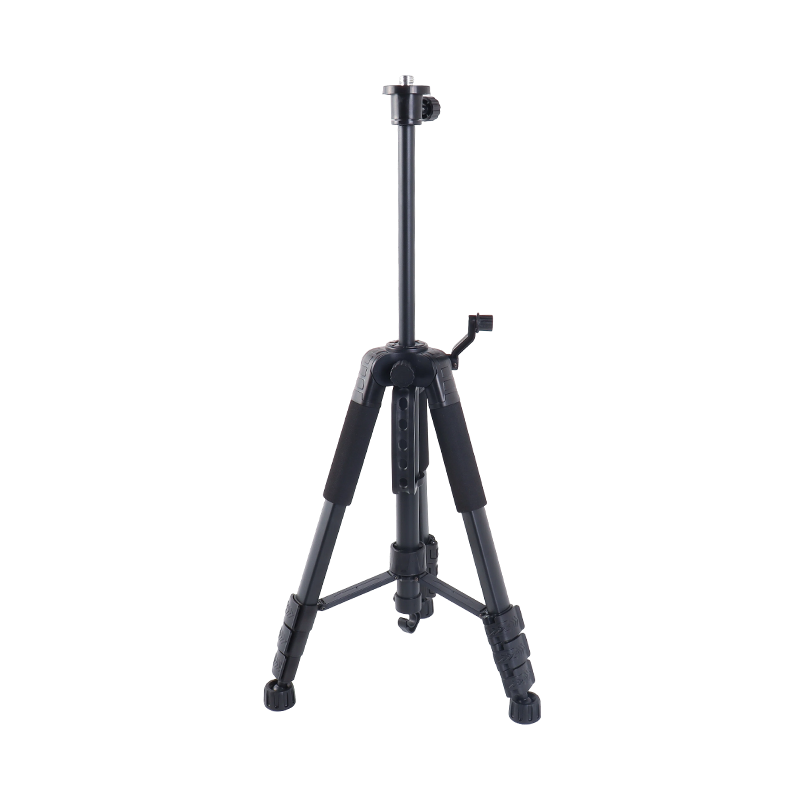
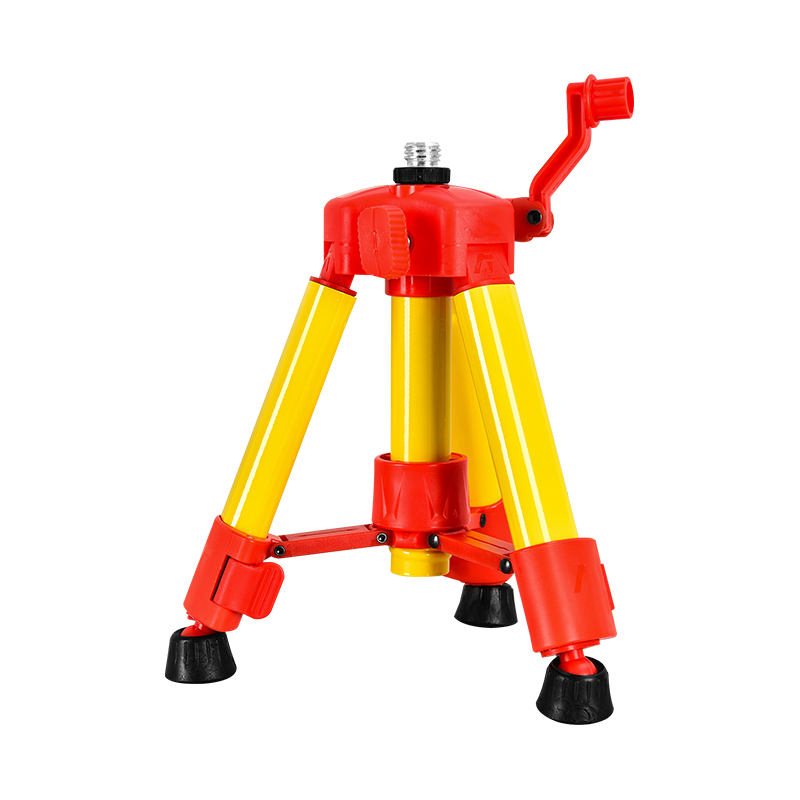
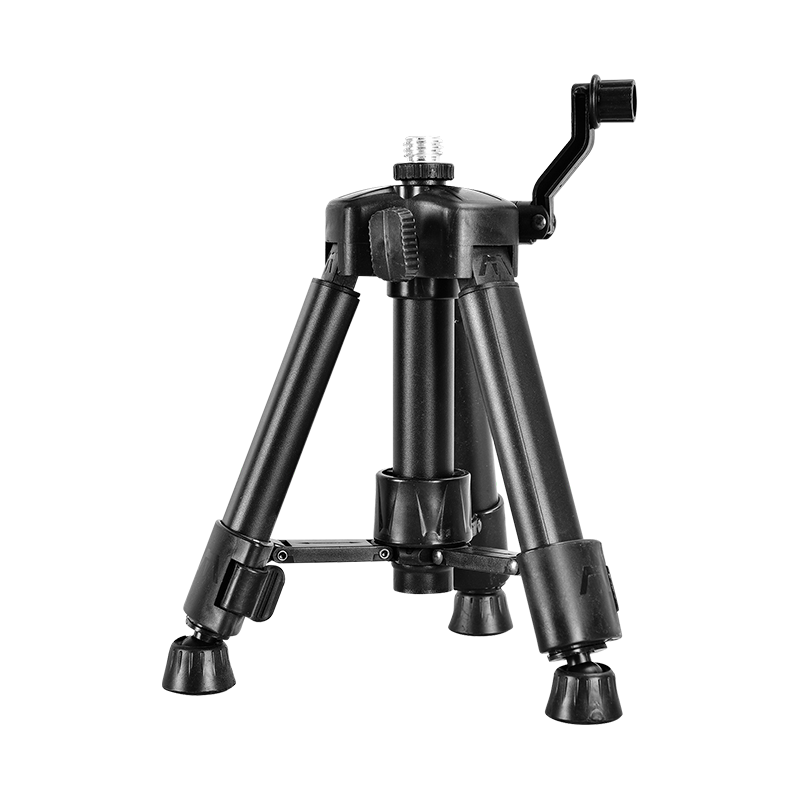
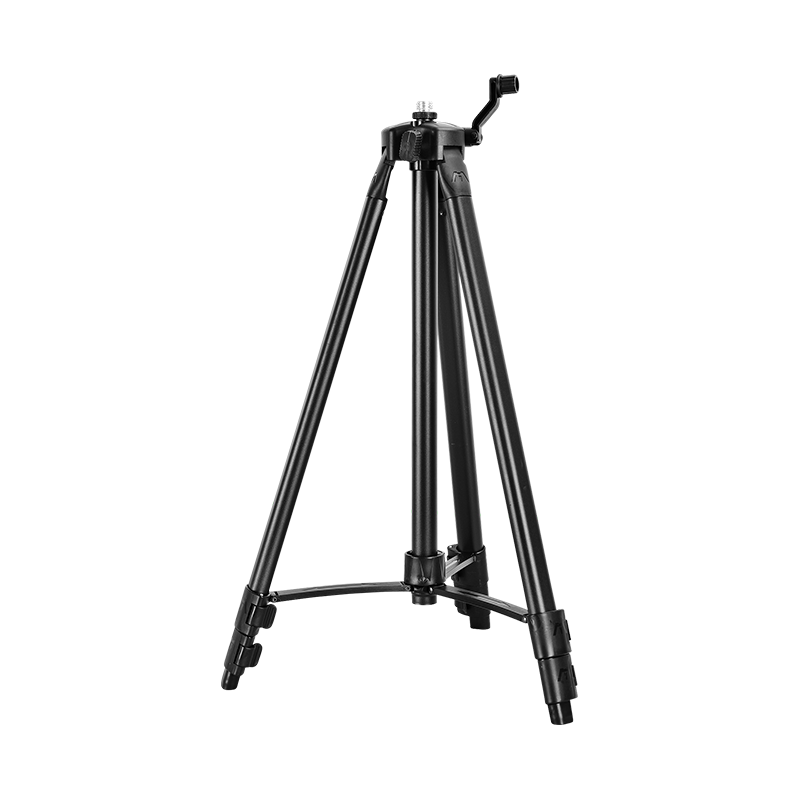
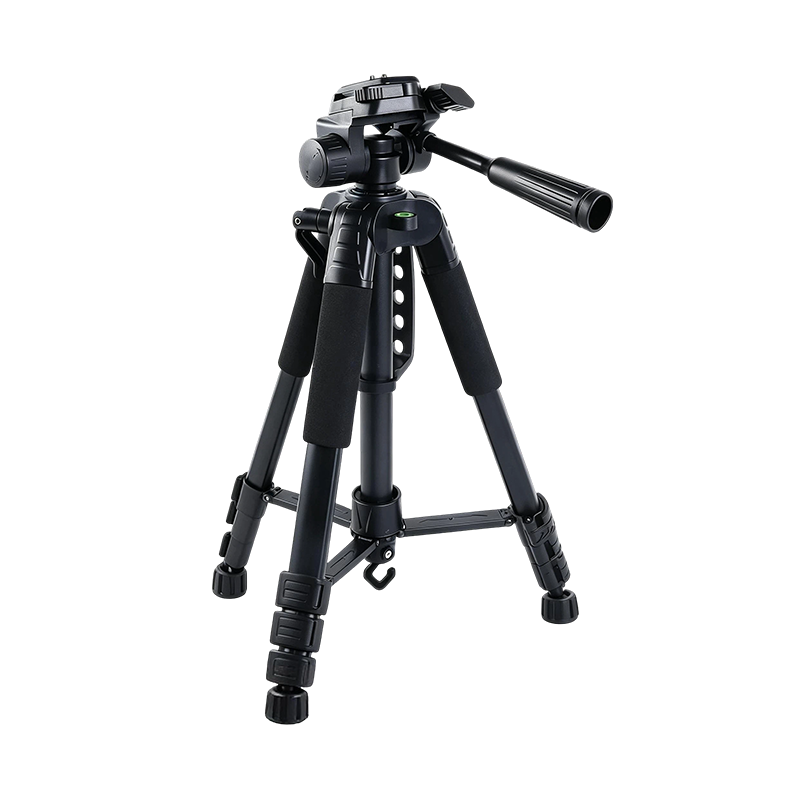
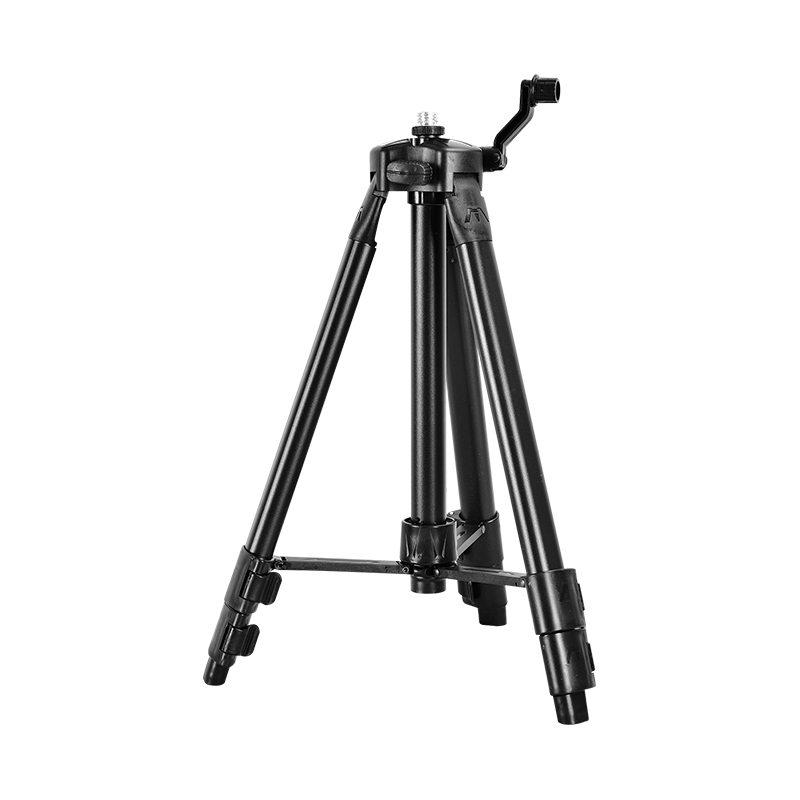
A surveyor sets up twenty stations in a day. The tripod that weighs four kilos instead of two is the tripod the crew feels by noon. The surveying space aluminum tripod stand is built around that weight difference. The aluminum alloy is roughly a third the weight of steel for the same stiffness, and the legs fold into a package that fits the carry bag. The instrument still has to sit still while the reading is taken. The tripod has to do both.
The Weight the Crew Carries
The aluminum tube carries the stiffness the instrument needs without the mass of the steel. The wall thickness is the balance. Too thin and the tripod flexes under the wind and the instrument drifts. Too thick and the weight saving disappears.
The weight saving matters over the day, not at the first station. The crew that walks the site and resets the instrument twenty times notices the difference in the shoulder and the back. The aluminum tripod is the standard for that crew. The steel tripod stays in the truck and gets used for the long-term setup where the weight does not matter.
The Standard Thread and the Mount
The instrument mounts on the head with the standard 5/8-inch thread. The total station, the level, the theodolite, all use the same thread. The head has the leveling screws or the ball joint. The screws tilt the plate. The ball joint levels faster.
The head that fits the standard thread accepts the instrument the crew already owns. The mount that wobbles under the instrument introduces the error into every reading. The head has to lock the instrument down without the play. The lock screw and the flat plate are the details that decide whether the instrument stays where the crew set it.
The Fold and the Carry
The legs telescope and collapse. The leg angle adjusts at the top hinge. The tripod folds the legs together for the transport and slides into the carry bag. The space in the name is the folded package, not the setup height.
The feet are the steel points and the rubber pads. The point digs into the soil and stops the leg from slipping. The pad protects the floor when the tripod is used indoors. The tripod that ships with both serves the outdoor and the indoor setup. The crew that works on the finished floor and the raw ground does not carry two tripods.
Here is what a surveying space aluminum tripod stand has to deliver:
- Aluminum alloy construction for the light weight
- Standard 5/8-inch head thread for the instrument
- Leveling screws or the ball joint
- Telescoping legs with the positive lock
- Adjustable leg angle for the terrain
- Steel points and the rubber pads
The Setup That Has to Be Fast
The surveyor moves from station to station. The setup has to be fast and repeatable. The legs open to the same angle, the height locks at the mark, and the head levels with the few turns. The tripod that fights the crew slows the whole day. The tripod that opens smoothly and locks positively keeps the pace.
The Leg That Gives at the Hinge
The hinge wears and the leg angle slips. The proper hinge holds. The leg lock does not grip and the height drops mid-measurement. The positive lock holds. The head thread strips because the instrument was cross-threaded. The standard thread and the careful mount prevent it. Each one is a component decision the crew discovers on the site.
A surveying space aluminum tripod stand holds the instrument and saves the shoulder. The aluminum sheds the weight. The standard head fits the instrument. Choose a tripod with the right head, the right legs, and the right feet.