
 English
  中文简体
中文简体  русский
  Español
  Deutsch
  عربى
عربى 
ChiZhen
ChiZhen
ChiZhen
ChiZhen
ChiZhen
ChiZhen
ChiZhen
ChiZhen
ChiZhen
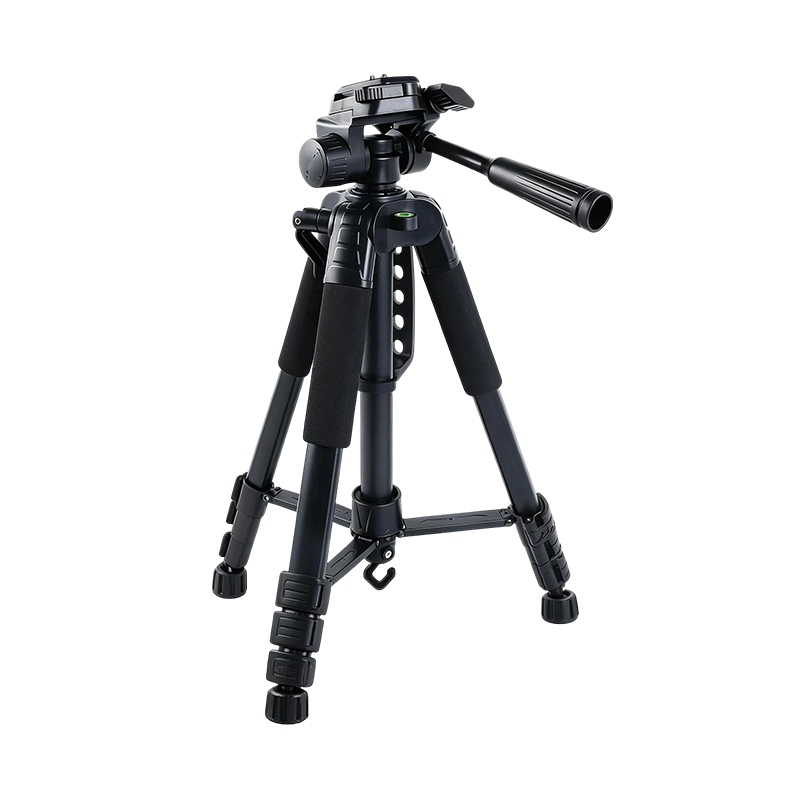
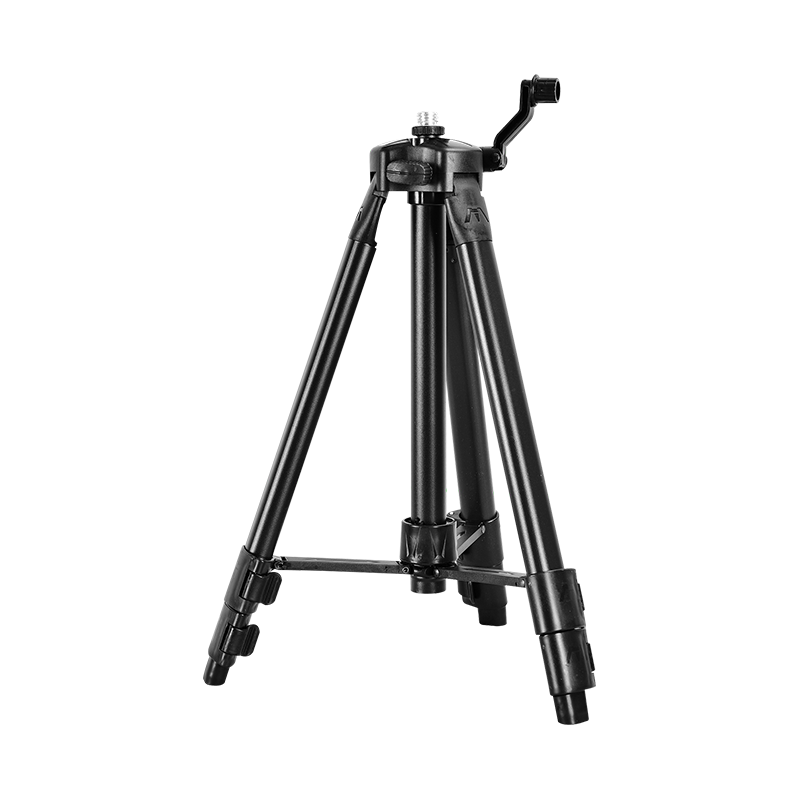
A level, a laser, a camera, a surveying instrument. These tools only work if they sit level. A leveling tripod stand holds the instrument and adjusts the three legs until the bubble is centered. The legs telescope, the head tilts, and the whole thing locks in place. For surveyors, contractors, and photographers, the tripod is the base that decides whether the measurement or the shot is accurate.
The Three Legs and the Adjustment
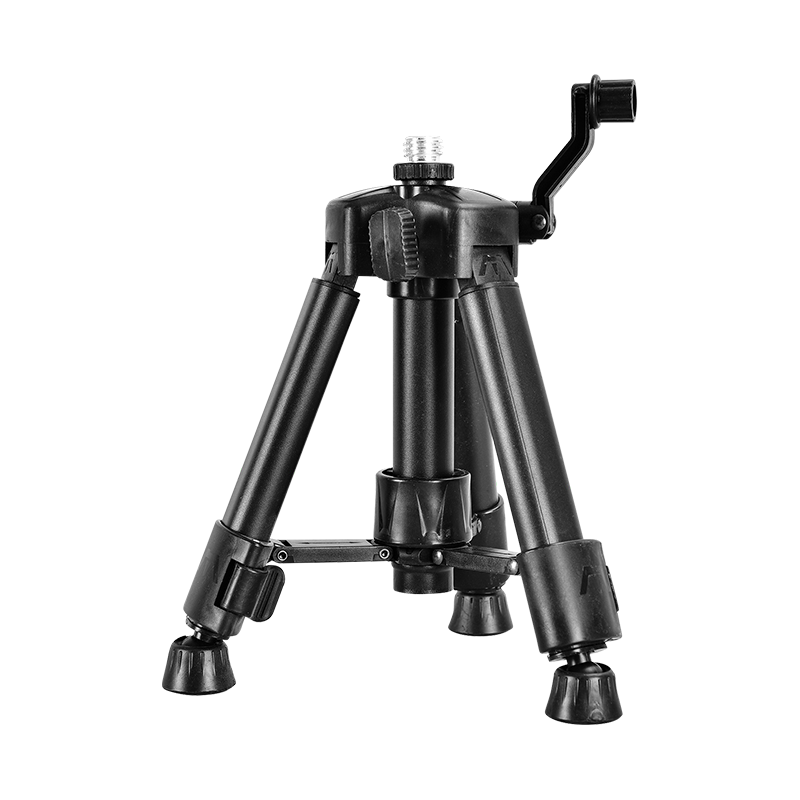
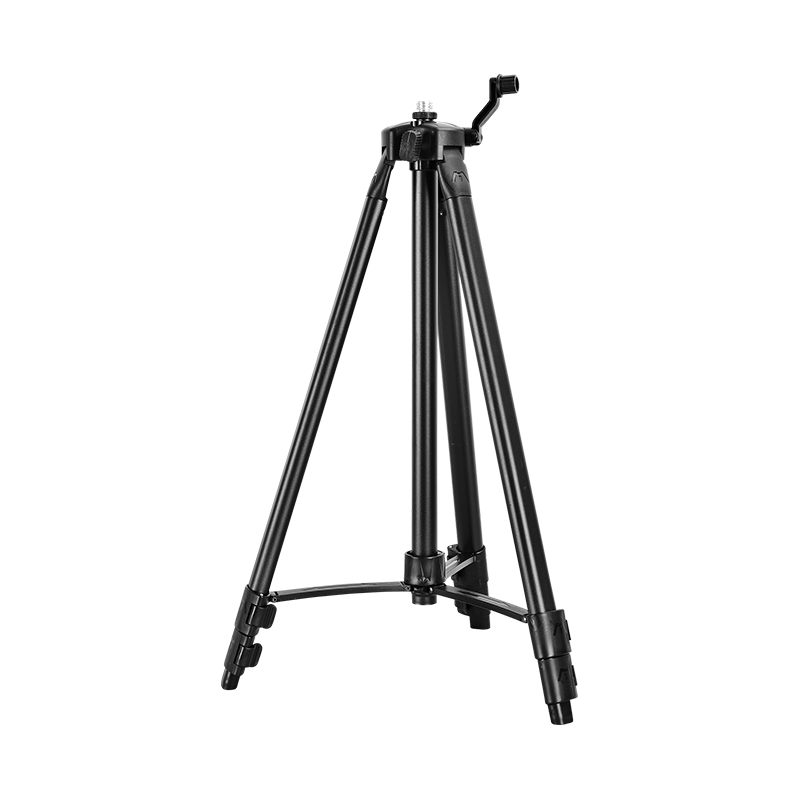
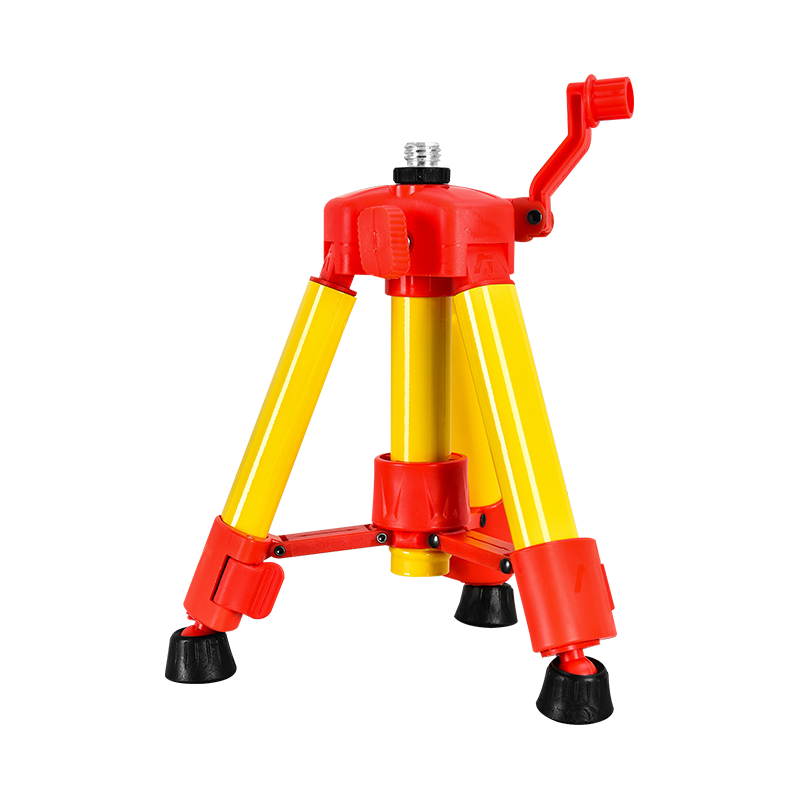
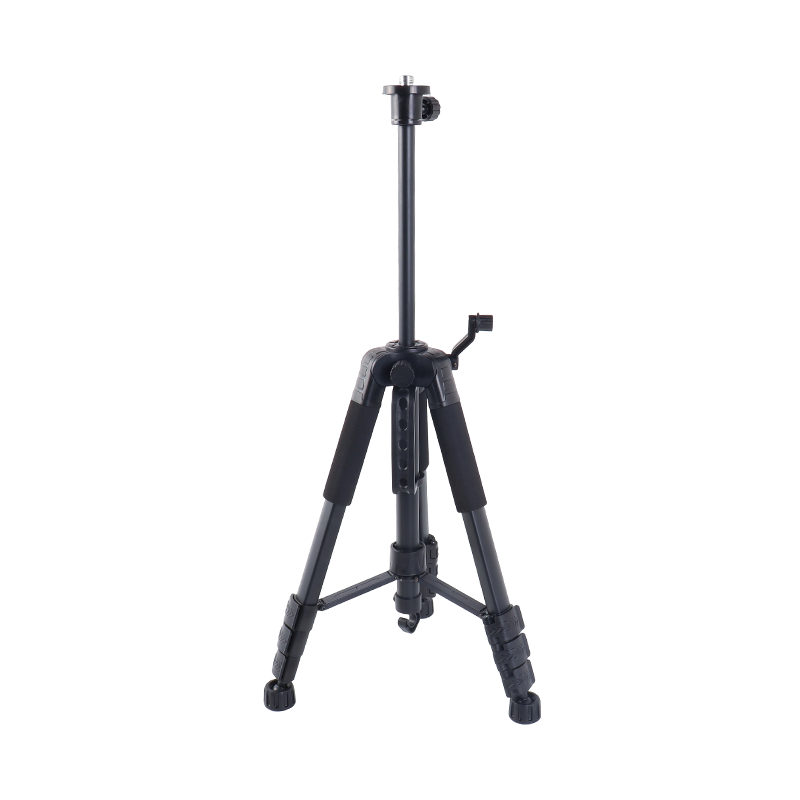
The tripod has three legs. Each leg extends and locks at the height the user sets. The three points define a plane. That is why a tripod is more stable than a four-legged stand. Three points always sit flat. A fourth point would rock.
A leveling tripod stand with the right leg locking mechanism holds the height without slipping. The clamps or the twist locks grip the inner leg. A clamp that slips lets the instrument drop mid-measurement. A leveling tripod stand with a positive lock holds the height.
The leg angle adjusts on some models. The user spreads the legs wider for a lower, more stable position or narrows them for a tight space. A leveling tripod stand with an adjustable leg angle fits the terrain.
The Head and the Bubble
The head is where the instrument mounts. It has a flat plate or a threaded stud. The instrument sits on the plate or screws onto the stud. The head tilts to level the instrument.
The bubble level is the reference. The user adjusts the legs or the head until the bubble sits in the center of the vial. A leveling tripod stand with a sensitive bubble vial lets the user get the instrument level to the precision the job requires.
Some tripods have a ball head. The ball rotates in a socket and locks in place. The user levels the instrument with the ball instead of the legs. A leveling tripod stand with a ball head levels faster on uneven ground.
The Material and the Weight
The tripod legs are aluminum or fiberglass. Aluminum is light and stiff. Fiberglass resists vibration and does not conduct electricity. A leveling tripod stand for the electrical work uses fiberglass for the safety.
The weight matters for the portability. A heavy tripod is more stable but harder to carry. A leveling tripod stand with the right weight for the instrument balances stability and portability.
The head material is metal. The instrument mounts on the metal plate. A leveling tripod stand with a metal head holds the instrument securely.
Here is what a leveling tripod stand needs to deliver:
- Three legs with positive locking height adjustment
- Adjustable leg angle for the terrain
- Bubble vial sensitive enough for the job
- Flat plate or threaded stud for the instrument
- Ball head option for fast leveling
- Aluminum or fiberglass legs
Where the Tripod Works
Surveying uses the tripod for the total station, the level, and the GPS receiver. The instrument has to be level and stable. A leveling tripod stand with a sensitive bubble and a solid lock holds the measurement.
Construction uses the tripod for the laser level and the transit. The tripod sits on the uneven ground. A leveling tripod stand with adjustable legs handles the terrain.
Photography and video use the tripod for the camera. The tripod has to hold the camera steady and level. A leveling tripod stand with a ball head levels the shot.
What Fails on a Cheap Tripod
The leg lock slips and the instrument drops. A leveling tripod stand with a proper clamp or twist lock holds. The bubble vial is not sensitive enough and the instrument is off level. A sensitive vial gets the instrument true. The head wobbles because the connection was weak. A metal head with a solid mount holds.
A leveling tripod stand holds the instrument and keeps it level. The three legs define the plane. The bubble confirms it. Choose a tripod with positive leg locks, a sensitive bubble, and a solid head. The measurement or the shot comes out true.