
 English
  中文简体
中文简体  русский
  Español
  Deutsch
  عربى
عربى 
ChiZhen
ChiZhen
ChiZhen
ChiZhen
ChiZhen
ChiZhen
ChiZhen
ChiZhen
ChiZhen
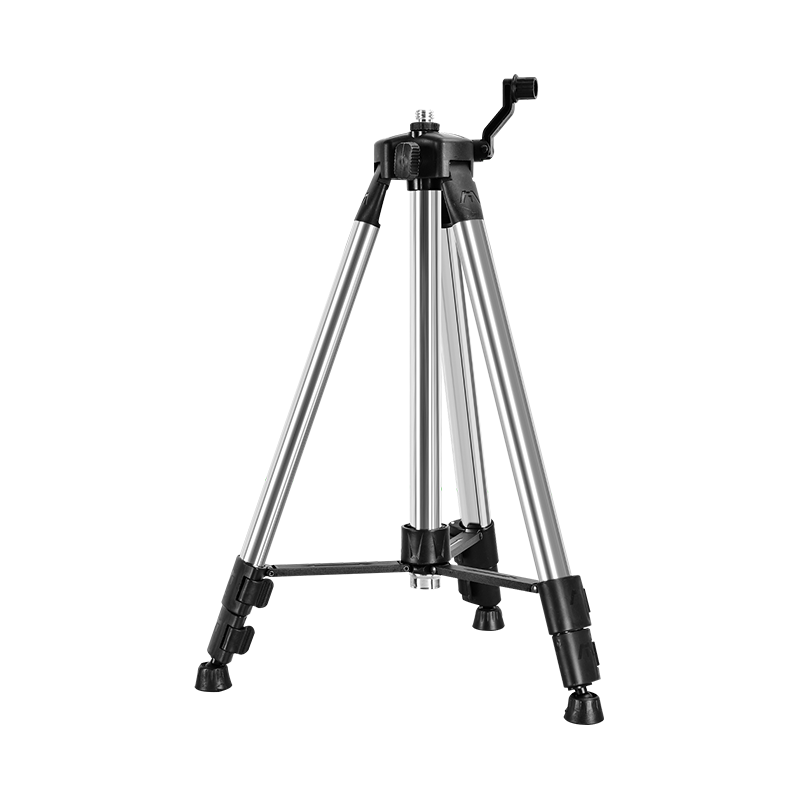
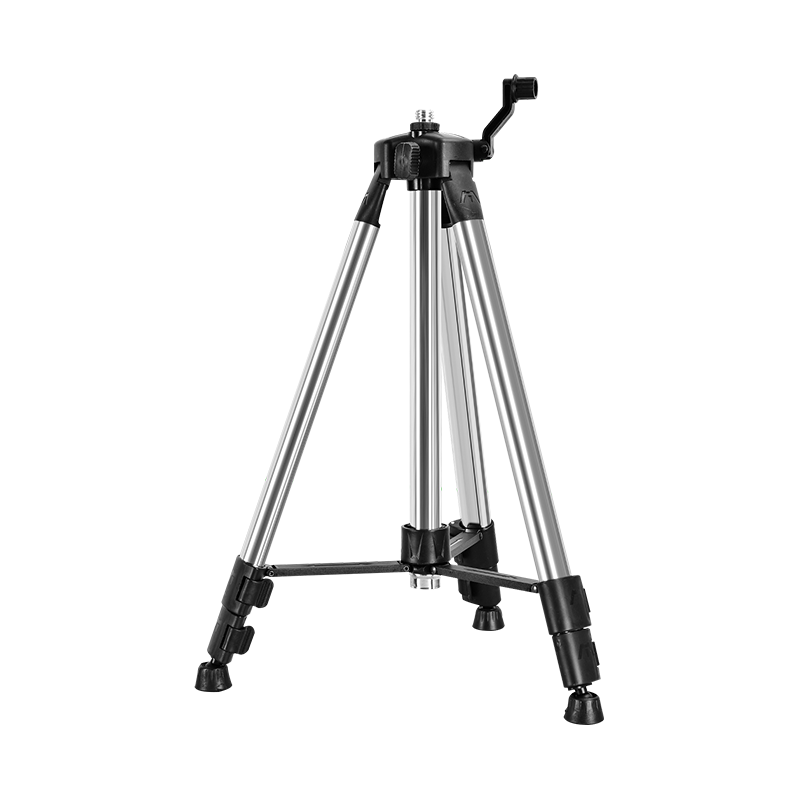
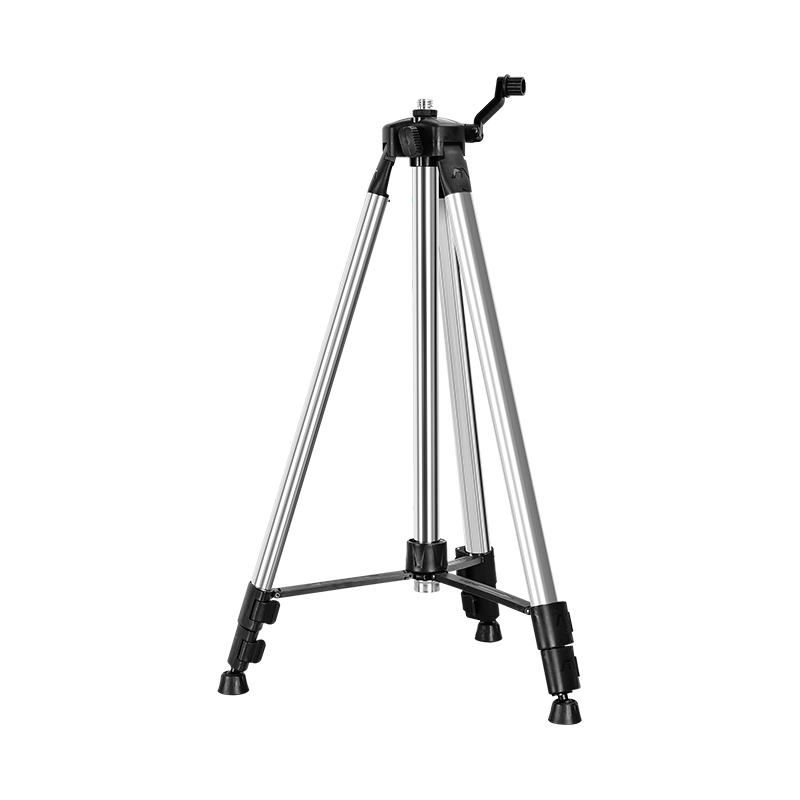
A measuring instrument reads the angle and the distance. The reading is only as good as the stand under it. A painted steel tripod rusts at the joints in the wet season, and the rust turns into the play that shows up as the error in the reading. The stainless steel measuring tripod resists the corrosion and holds the instrument still through the rain, the humidity, and the salt air. It is the tripod for the coastal survey, the marine construction, and the long-term monitoring station.
Three Points Define the Plane
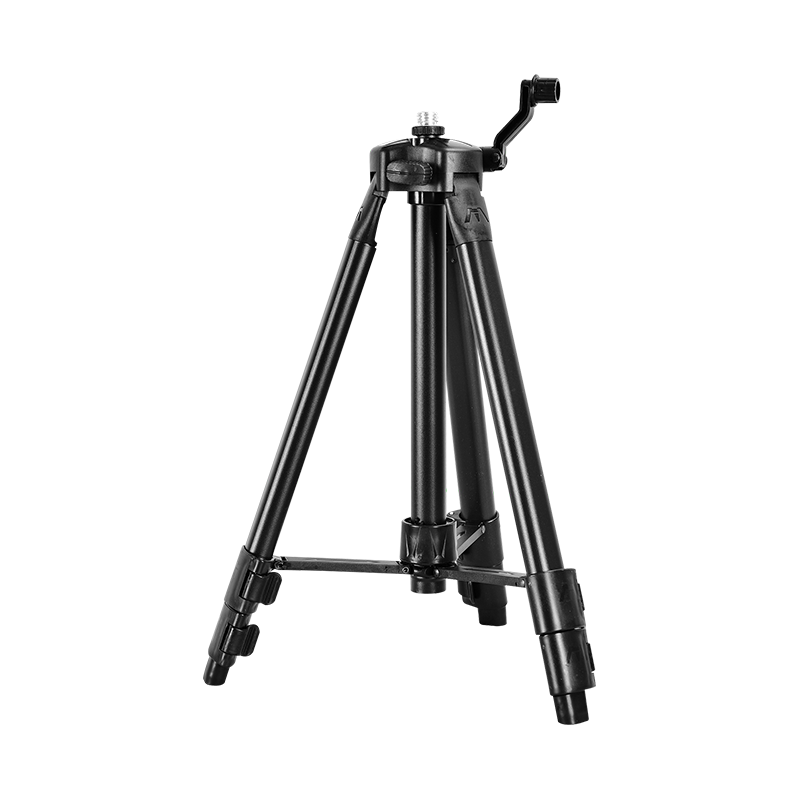
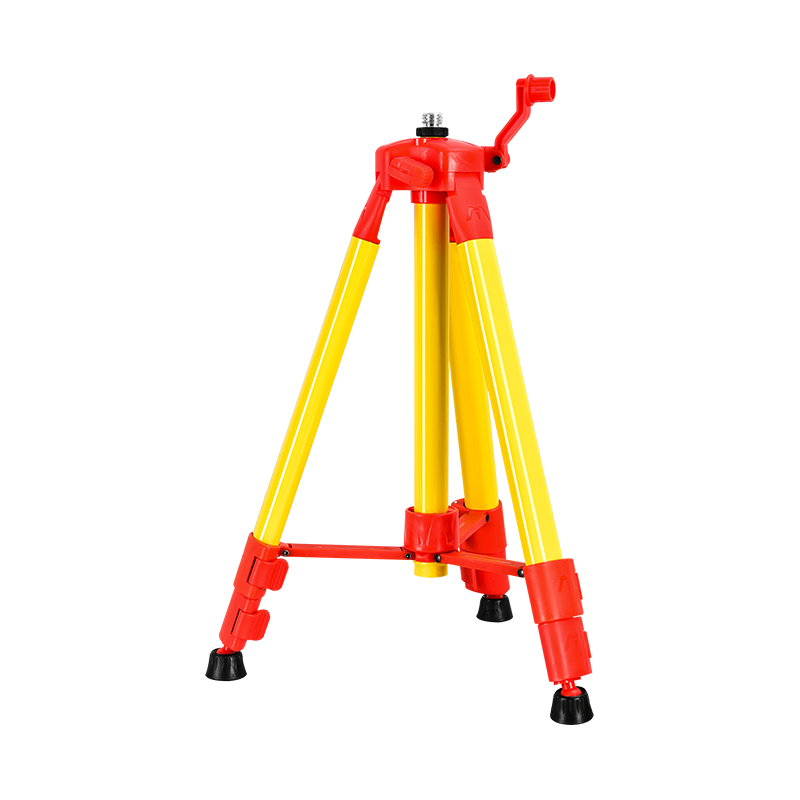
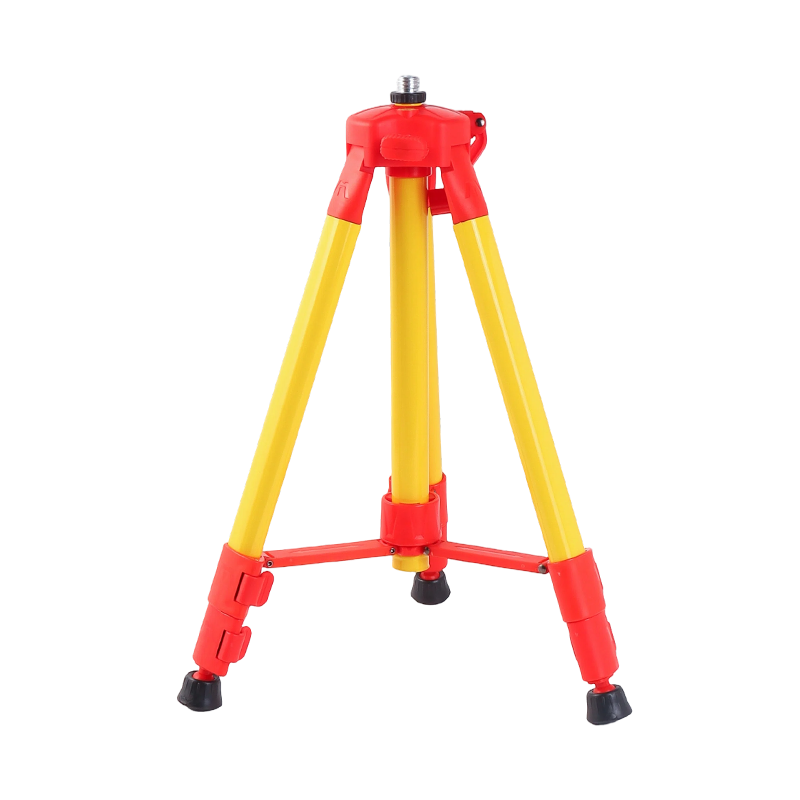
The tripod has three legs. Three points always sit flat on the uneven ground. The fourth point would rock. The legs telescope and lock at the height the user sets. The leg clamp or the twist lock grips the inner leg. The lock that slips lets the instrument drop and the measurement is lost.
The leg angle adjusts at the top hinge. The wider angle gives the lower and more stable setup. The narrower angle fits the tight space. The stainless steel measuring tripod with the adjustable leg angle handles the terrain and the space.
The Head Carries the Instrument
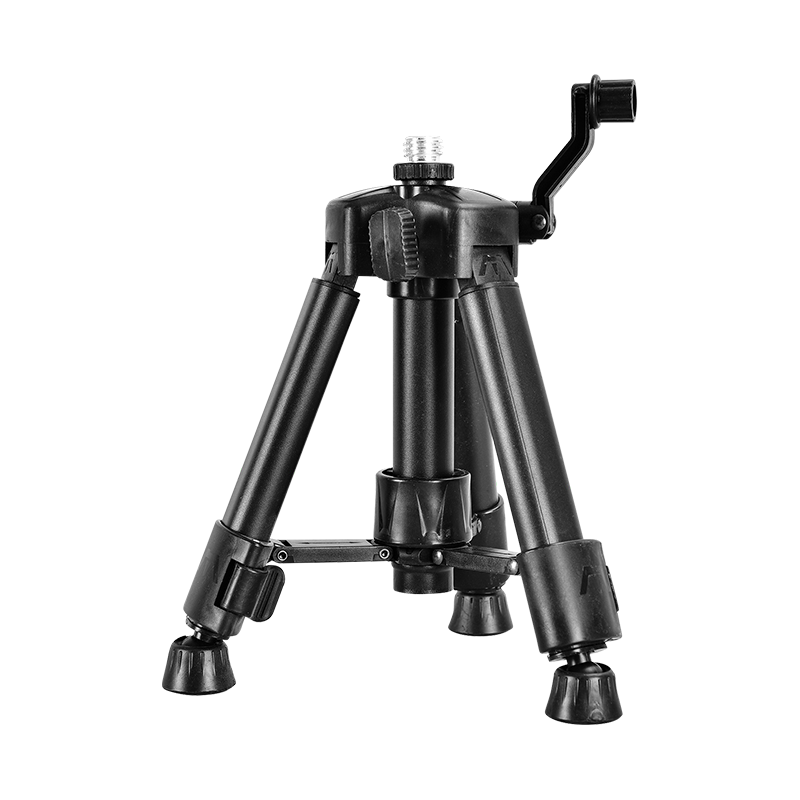
The head is the platform. It has the flat plate or the threaded stud. The instrument sits on the plate or screws onto the stud. The head tilts to level the instrument. The bubble vial is the reference. The user adjusts until the bubble sits in the center.
The stainless steel measuring tripod with the sensitive vial lets the user level to the precision the job requires. The ball head option levels faster on the uneven ground. The three-screw leveling is the choice for the precise work.
The Stainless Resists What the Paint Cannot
The painted steel tripod rusts at the leg joints and the clamps. The rust builds and the joint develops the play. The play shows up as the wobble in the instrument. The stainless steel measuring tripod resists the corrosion and holds the tight joint through the wet season.
The stainless is heavier than the aluminum. The weight is the trade-off for the corrosion resistance. The tripod that stays in one location for the long-term monitoring uses the stainless. The tripod the surveyor carries all day uses the aluminum. The crew that works the coastal site accepts the weight for the tripod that survives the salt.
Here is what a stainless steel measuring tripod has to deliver:
- Three legs with the positive locking height adjustment
- Adjustable leg angle for the uneven terrain
- Bubble vial sensitive enough for the instrument
- Flat plate or threaded stud for the mounting
- Ball head option for the fast leveling
- Stainless construction for the wet and the coastal
Where the Stainless Tripod Stays
The monitoring station uses the tripod for the long-term deformation measurement. The tripod stays in place for months and the stainless resists the weather. The marine construction uses it on the dock and the pier. The salt air eats the painted tripod and the stainless survives.
The Joint That Rusts and the Reading That Drifts
The painted joint rusts and the play develops. The stainless holds. The leg lock slips and the height drops mid-measurement. The positive lock holds. The bubble vial is not sensitive enough and the instrument is off level. The sensitive vial gets the instrument true. Each one is a component decision the crew discovers on the site.
A stainless steel measuring tripod holds the instrument still where the painted tripod cannot. The stainless resists. The three legs define the plane. Choose a tripod with the positive locks and the stainless construction for the wet site.