
 English
  中文简体
中文简体  русский
  Español
  Deutsch
  عربى
عربى 
ChiZhen
ChiZhen
ChiZhen
ChiZhen
ChiZhen
ChiZhen
ChiZhen
ChiZhen
ChiZhen
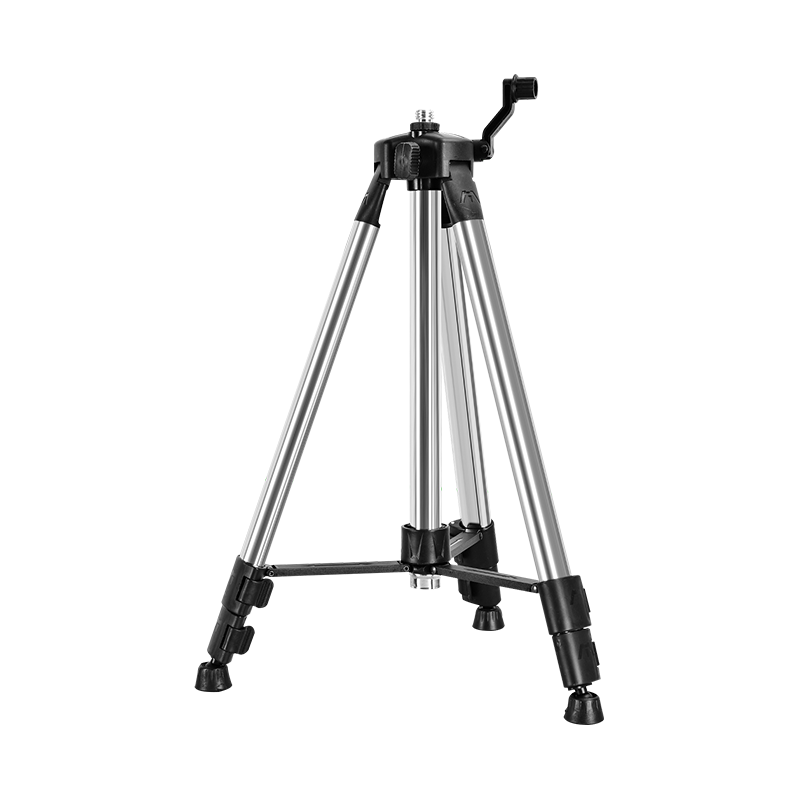
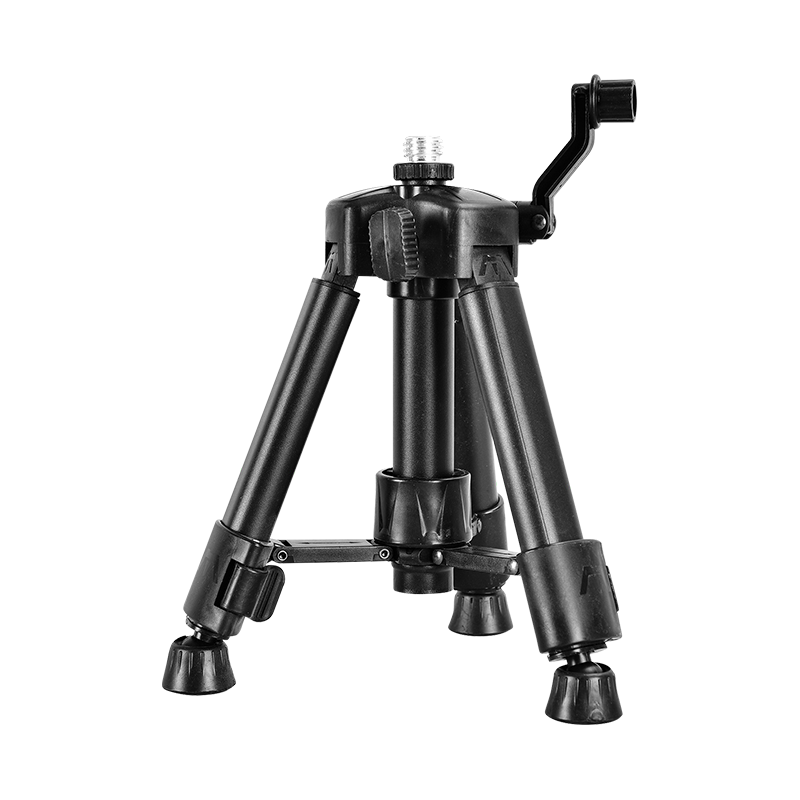
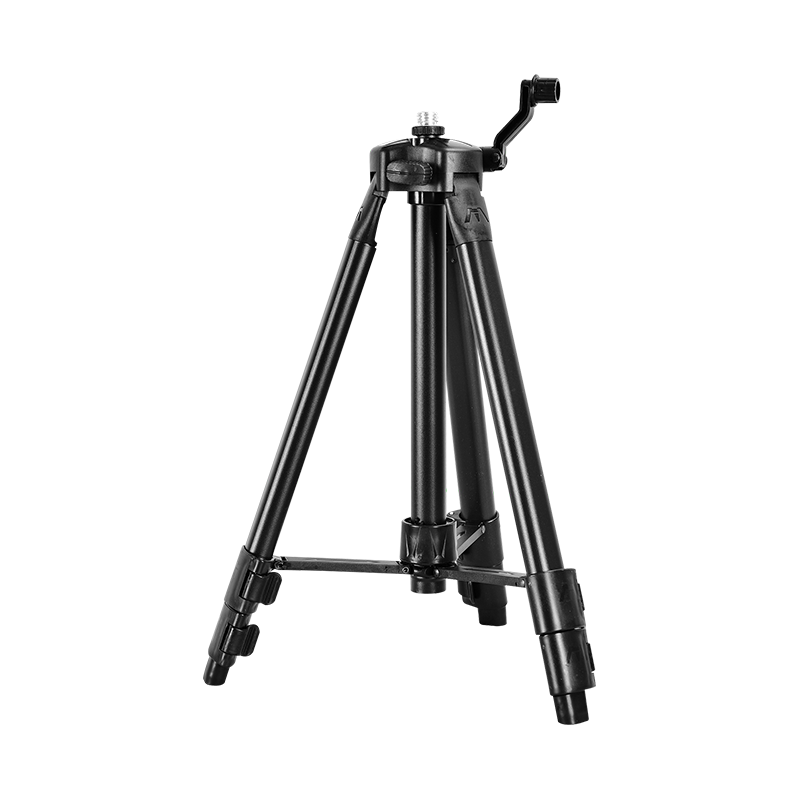
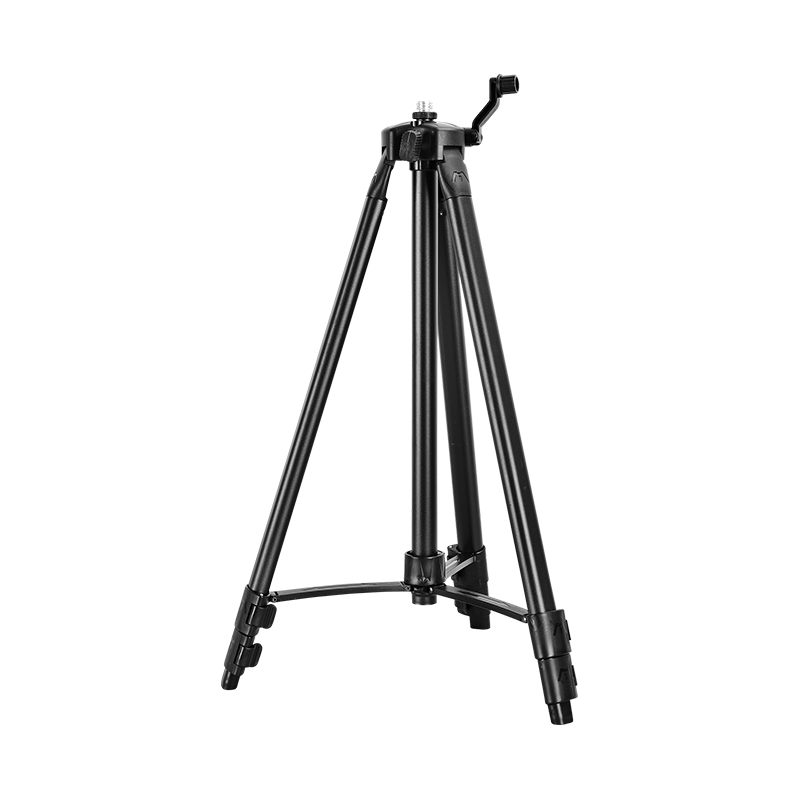
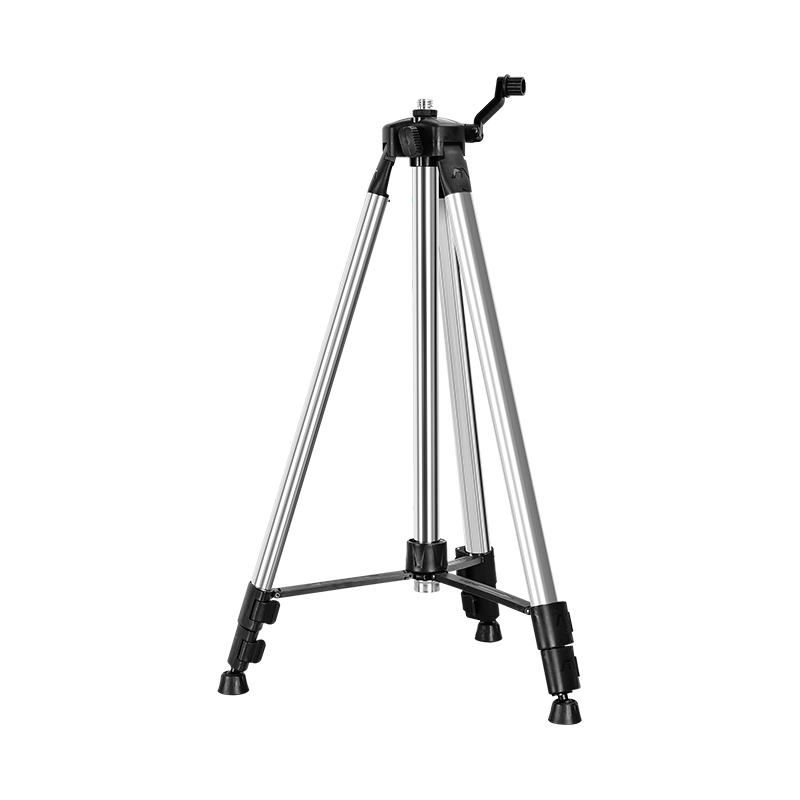
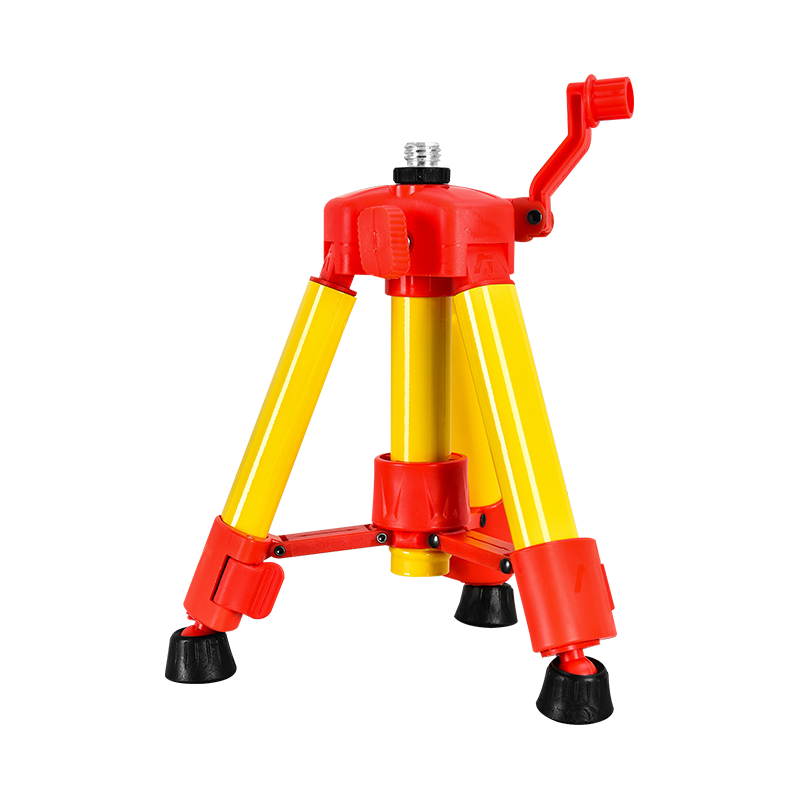
The stainless steel tripod for leveling instruments represents a specialized category of support equipment engineered specifically for precision measurement and construction applications. Constructed entirely from stainless steel alloys, these purpose-built support tools deliver exceptional sturdiness, long-term durability, and inherent corrosion resistance that distinguishes them from alternative material options. With high load-bearing capacity as a standard design feature, these tripods have become indispensable equipment across engineering surveying, interior decoration, tile installation, and ceiling construction projects. Their combination of practical design features and robust construction addresses the specific challenges professionals face when working across diverse job site conditions.
Material Properties: Why Stainless Steel for Leveling Applications
Stainless steel represents the material standard for heavy-duty leveling tripods due to its unique combination of mechanical properties. Unlike standard carbon steel that requires protective coatings to prevent oxidation, stainless steel contains a minimum of 10.5% chromium content, which forms a self-healing passive oxide layer on the material surface. This inherent corrosion resistance eliminates the rust formation that compromises steel tripod performance over time, particularly in damp construction environments or outdoor surveying conditions.
Key Material Advantages
- High tensile strength: Stainless steel alloys provide superior structural rigidity compared to aluminum alternatives
- Impact resistance: The material absorbs accidental impacts and job site abuse without permanent deformation
- Temperature stability: Maintains dimensional accuracy across wide temperature variations
- Chemical resistance: Resists degradation from construction chemicals, cleaning agents, and environmental contaminants
- Long-term value: Extended service life reduces replacement frequency and total cost of ownership
The material's natural weight also contributes to stability—heavier base mass reduces vibration transfer and improves measurement consistency, a critical factor for precision leveling operations.
Core Design Features and Functional Advantages
Multi-Level Height Adjustment System
Professional stainless steel leveling tripods incorporate telescopic leg systems providing adjustable height ranges typically spanning 1.2 meters to 1.5 meters, with heavy-duty models offering extended ranges up to 1.8 meters. This adjustability accommodates diverse working environments:
- Low-profile positions for floor-level tile installation work
- Mid-range heights for standard wall and interior decoration tasks
- Extended positions for ceiling construction and overhead installation
The adjustment mechanisms feature secure locking clamps that maintain fixed positions under load, preventing gradual slippage that could compromise measurement accuracy during extended operations.
Universal "Horseshoe" Feet Design
The horseshoe-shaped foot configuration represents a significant engineering advancement over traditional single-point tripod feet. This specialized design delivers:
- Enhanced surface contact: Wider footprint distributes load across larger area
- Uneven terrain adaptability: Arched shape conforms to irregular ground surfaces
- Anti-slip properties: Textured contact surfaces prevent sliding on smooth concrete or tile
- Multi-surface flexibility: Functions effectively indoors on finished floors and outdoors on soil or gravel
Premium models include interchangeable foot inserts—rubber pads for indoor use to protect finished surfaces, and steel spike inserts for outdoor penetration into soft ground.
Integrated Circular Bubble Level
The built-in circular bubble level represents a critical time-saving feature integrated directly into the tripod head plate. This component enables:
- Quick preliminary leveling: Establish base platform stability before mounting precision instruments
- Visual verification: Immediate confirmation of horizontal alignment
- Reduced setup time: Eliminates separate leveling tool requirements
- Improved measurement accuracy: Ensures consistent reference plane for all measurements
The bubble level remains visible during instrument mounting and adjustment, allowing technicians to maintain proper alignment throughout the setup process.
Thickened Tubing Structure
Stainless steel leveling tripods feature reinforced tubing construction with increased wall thickness compared to standard photography tripods. This thickened structure:
- Boosts overall stability: Minimizes flex and torsional movement during operation
- Prevents wobbling: Eliminates vibration that could affect sensitive leveling instruments
- Enhances load capacity: Supports heavier professional-grade laser and optical levels
- Improves fatigue resistance: Withstands repeated setup and teardown cycles without weakening
The tubing typically features a triangular or hexagonal internal profile for additional rigidity without excessive weight increase.
Foldable Portable Design
Despite their heavy-duty construction, stainless steel leveling tripods incorporate practical foldable designs that facilitate:
- Compact storage: Legs fold inward to minimize storage footprint
- Easy transport: Balanced weight distribution and optional carrying straps
- Quick deployment: Rapid setup between job site relocations
- Space efficiency: Ideal for technicians working across multiple project locations
Folded dimensions typically reduce overall length by 50-60%, making the tripods compatible with standard tool storage and vehicle transport arrangements.
Industry Applications and Use Case Scenarios
Engineering Surveying and Geomatics
In professional surveying applications, stainless steel tripods provide the stable reference platform essential for accurate geodetic measurements. Surveyors rely on these support systems for:
- Total station and theodolite mounting for boundary and topographic surveys
- Construction layout and staking operations
- Civil engineering infrastructure alignment
- Elevation benchmark establishment
The material's corrosion resistance ensures reliable performance during extended outdoor exposure, while the stable platform maintains measurement integrity across full workdays.
Interior Decoration and Finishing Work
Interior decoration professionals utilize stainless steel tripods for precision alignment tasks:
- Wall partition and cabinet installation alignment
- Wallpaper and decorative panel positioning
- Window and door frame level verification
- Millwork and custom furniture installation reference
The non-marring foot options protect finished flooring surfaces while the adjustable height accommodates work from baseboard to ceiling level.
Tile Installation and Flooring Projects
Tile installation represents one of the most common construction applications for stainless steel leveling tripods. Technicians use these support systems with laser levels to:
- Establish reference lines for large-format tile layout
- Maintain consistent grout line alignment across extensive floor areas
- Verify floor flatness before adhesive application
- Ensure proper slope for drainage in wet room installations
The vibration-damping characteristics of stainless steel prevent laser line movement during the critical tile placement process.
Ceiling Construction and Suspension Systems
For overhead ceiling work, stainless steel tripods provide the extended height reach and stability required for:
- Suspended ceiling grid alignment and leveling
- Drywall ceiling panel installation reference
- Lighting fixture and HVAC register positioning
- Acoustic ceiling system layout
The heavy-duty construction supports laser levels at full extension without the wobble that affects lighter tripod alternatives.
Comparative Performance Analysis
Versus Aluminum Leveling Tripods
While aluminum tripods offer weight advantages, stainless steel alternatives provide:
- 30-40% greater rigidity under equivalent load conditions
- Superior impact resistance for job site durability
- Better vibration damping characteristics
- Higher resistance to bending and permanent deformation
The weight difference typically ranges from 1-2 kilograms, which many professionals consider acceptable for the performance gains achieved.
Versus Fiberglass and Composite Tripods
Composite materials offer corrosion resistance but lack stainless steel's:
- Ultimate load-bearing capacity for heavy instruments
- Temperature stability in extreme working conditions
- Resistance to UV degradation during prolonged outdoor use
- Ability to withstand accidental job site impacts and rough handling
Versus Painted Steel Tripods
Painted carbon steel tripods offer lower initial cost but suffer from:
- Progressive rust formation when coating becomes damaged
- Paint chipping and wear affecting appearance and performance
- Higher long-term maintenance requirements
- Shorter overall service life in damp construction environments
Selection Criteria and Professional Recommendations
Application-Specific Selection Guidelines
Engineering Surveying: Prioritize maximum height range, heavy load capacity, and spike foot compatibility. Look for professional-grade models with 5/8"-11 instrument mounting threads.
Interior Decoration: Select models with rubber foot inserts to protect finished surfaces, integrated bubble levels for quick setup, and mid-range height adjustability.
Tile Installation: Consider compact folding designs for easy transport between residential job sites. Ensure compatibility with your specific laser level brand and mounting requirements.
Ceiling Construction: Choose tripods with maximum extended height capability and enhanced stability features for overhead operation. Thickened tubing is particularly important for extended-height work.
Quality Verification Points
When evaluating stainless steel leveling tripods, verify these critical quality indicators:
- Tubing wall thickness: Minimum 1.2mm for professional applications
- Locking mechanism quality: Smooth operation with positive engagement
- Weld quality: Clean, uniform joints without visible defects
- Bubble level accuracy: Calibrated and securely mounted
- Hardware quality: Stainless steel or plated fasteners to prevent corrosion
Maintenance and Long-Term Care
Proper maintenance extends stainless steel tripod service life:
- Clean after each use: Remove construction dust, mortar, and debris from leg sections
- Lubricate moving parts: Apply light machine oil to locking mechanisms and pivot points
- Inspect regularly: Check for loose hardware, bent components, or damaged feet
- Store properly: Keep in dry environment when not in use
- Avoid chemical exposure: Prevent prolonged contact with aggressive cleaning agents
While stainless steel resists corrosion, surface discoloration can occur in extreme conditions—regular cleaning with appropriate stainless steel cleaners maintains appearance and performance.