
 English
  中文简体
中文简体  русский
  Español
  Deutsch
  عربى
عربى 
ChiZhen
ChiZhen
ChiZhen
ChiZhen
ChiZhen
ChiZhen
ChiZhen
ChiZhen
ChiZhen
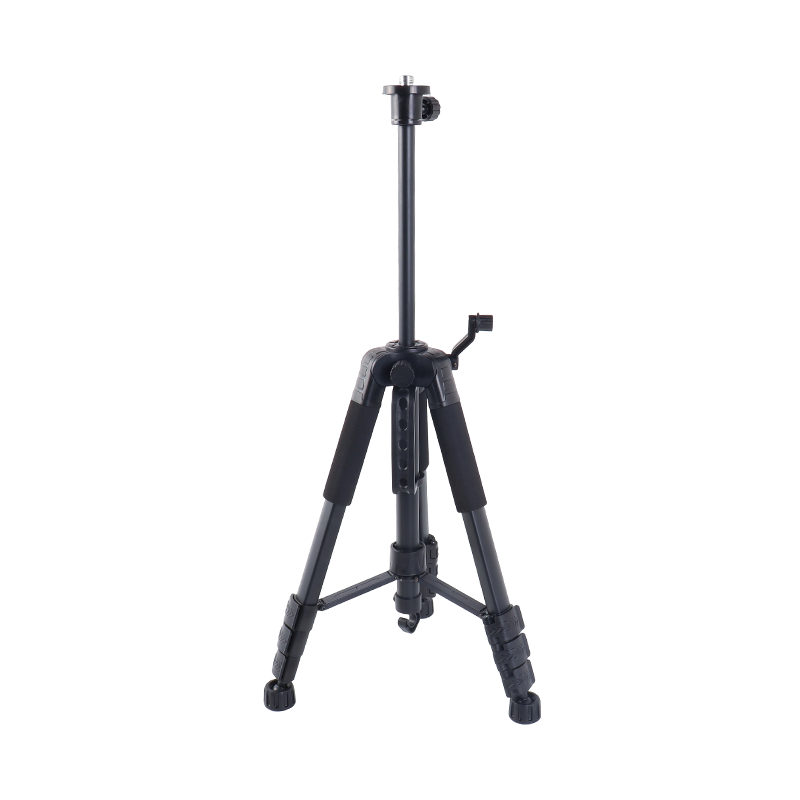
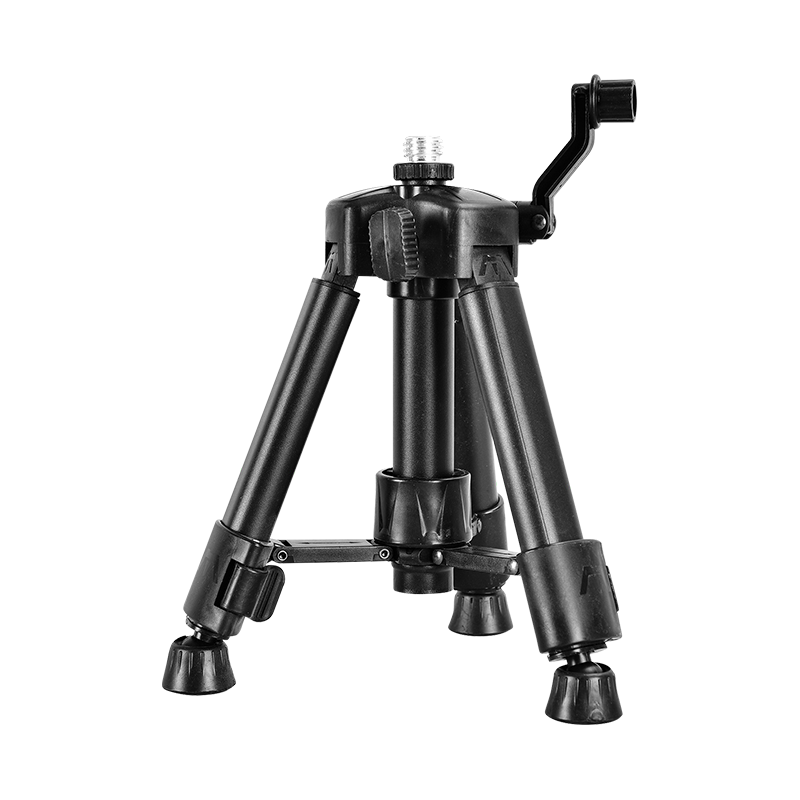
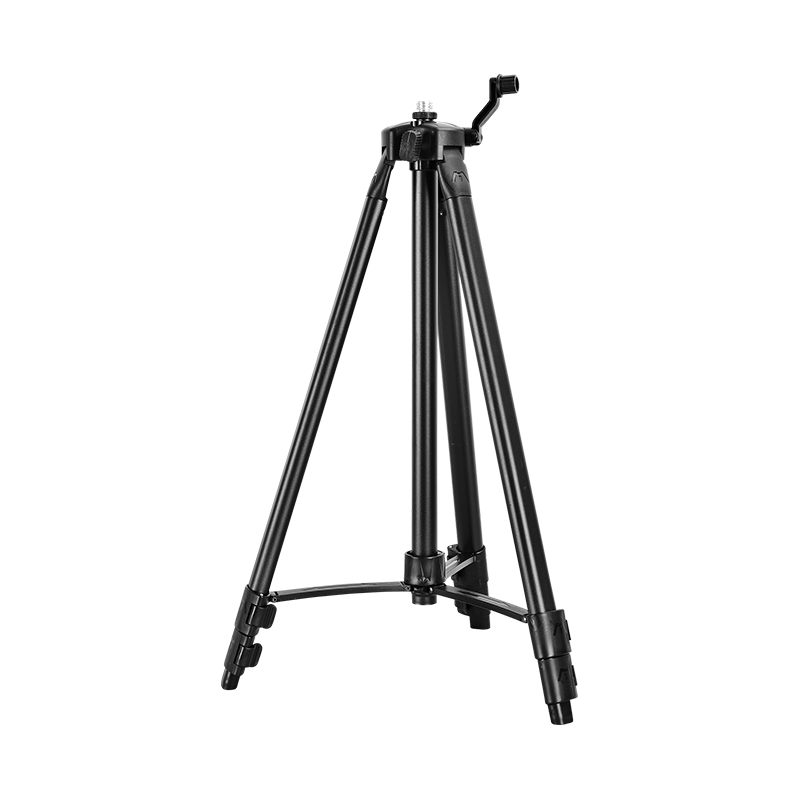
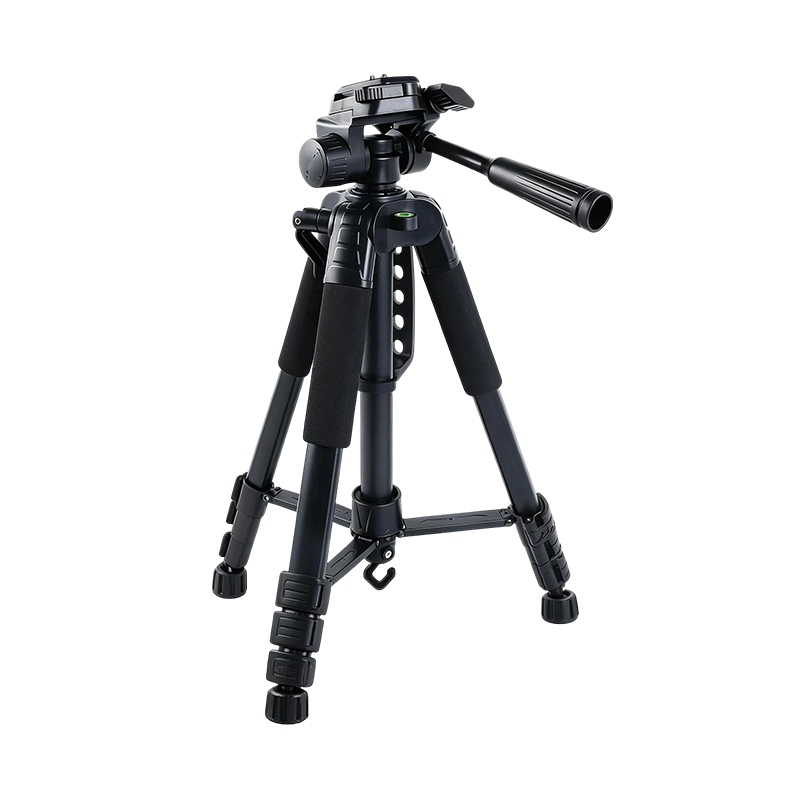
Space aluminum tripods represent a remarkable convergence of aerospace material science and practical engineering design. These three-sided support frames, constructed from high-strength, corrosion-resistant aluminum alloys originally developed for aerospace applications, have emerged as essential support systems across diverse industries. From professional photography studios to active construction sites and residential bathroom installations, these tripods deliver consistent performance through their unique combination of adjustable height, exceptional stability, and minimal weight. The inherent corrosion resistance of space aluminum ensures rust-free operation even in challenging environmental conditions, while the material's structural integrity enables reliable weight-bearing capacity without deformation.
The Material Science Behind Space Aluminum
Space aluminum refers to specialized aluminum alloys engineered to meet the rigorous performance standards of aerospace and aviation applications. Unlike standard commercial aluminum, these alloys undergo precise formulation and heat treatment processes to achieve an optimal balance of strength, weight, and durability.
Key Alloy Characteristics
The most commonly employed alloys in tripod manufacturing include the 6061-T6 and 7075-T6 aerospace-grade formulations. These alloys derive their enhanced properties from carefully controlled alloying elements:
- Magnesium and silicon in 6061 alloys contribute to excellent corrosion resistance and weldability
- Zinc, magnesium, and copper in 7075 alloys provide superior tensile strength reaching 430-505 MPa
- Precision heat treatment (T6 tempering) creates uniform precipitation hardening throughout the material
The result is a material that offers approximately one-third the density of steel while maintaining comparable structural rigidity. This exceptional strength-to-weight ratio represents the defining advantage that has made space aluminum the material of choice for high-performance support systems.
Corrosion Resistance Mechanisms
Space aluminum's natural resistance to corrosion stems from its ability to form a protective oxide layer instantly upon exposure to air. Unlike ferrous metals that experience progressive rust degradation, aluminum's oxide layer creates a self-healing barrier that prevents further oxidation. For enhanced protection in particularly demanding environments, manufacturers often apply additional surface treatments:
- Anodizing creates a thicker, more durable oxide coating
- Chromate conversion coatings improve corrosion resistance and paint adhesion
- Cladding applies a thin pure aluminum layer for sacrificial protection
These protective measures ensure space aluminum tripods maintain their structural integrity and aesthetic appearance through years of regular use and exposure to moisture, temperature variations, and environmental contaminants.
Core Design Features and Engineering Principles
Triangular Structural Geometry
The three-sided tripod configuration is not arbitrary—it represents a fundamental principle of structural engineering. Triangular frames offer inherent geometric stability, distributing loads evenly across three contact points and resisting torsional forces that would compromise rectangular or single-post support systems. This design ensures consistent stability on uneven surfaces, from rough construction floors to outdoor terrain.
Height Adjustment Mechanisms
Modern space aluminum tripods incorporate sophisticated height adjustment systems that balance operational convenience with secure locking:
- Telescopic leg sections with pull-buckle or twist-lock mechanisms
- Multiple extension stages (typically 3-5 sections) enabling wide height ranges
- Precision locking clamps that maintain position under load
- Integrated measurement markings for repeatable height settings
Adjustment ranges typically span from compact folded positions of 35-40 cm to fully extended heights of 110-370 cm, accommodating everything from tabletop photography to full-ceiling laser level installations.
Weight Distribution and Load Capacity
Engineering calculations carefully balance tripod weight against load-bearing capacity. Typical space aluminum tripods weigh between 500 grams and 2.5 kilograms while safely supporting equipment loads from 5 kilograms for compact photography models to 50+ kilograms for heavy-duty construction applications. The material's high yield strength prevents permanent bending or deformation under rated loads, ensuring consistent performance over thousands of adjustment cycles.
Industry Applications and Use Cases
Professional Photography and Videography
In photography and videography applications, space aluminum tripods have become industry standard equipment. Their lightweight construction facilitates easy transport between locations, while vibration-damping characteristics contribute to sharper images during long exposures. Standard 1/4"-20 and 3/8" mounting threads ensure compatibility with virtually all camera bodies, lenses, and accessory equipment. Ball head and pan-tilt head configurations enable precise positioning for landscape, portrait, and studio photography.
Construction and Surveying: Laser and Infrared Levels
The construction industry represents one of the most demanding applications for space aluminum tripods. Laser and infrared level instruments require absolute stability to ensure accurate horizontal and vertical reference lines across building sites. Key features for construction use include:
- Replaceable steel feet for penetration into soft ground or concrete surfaces
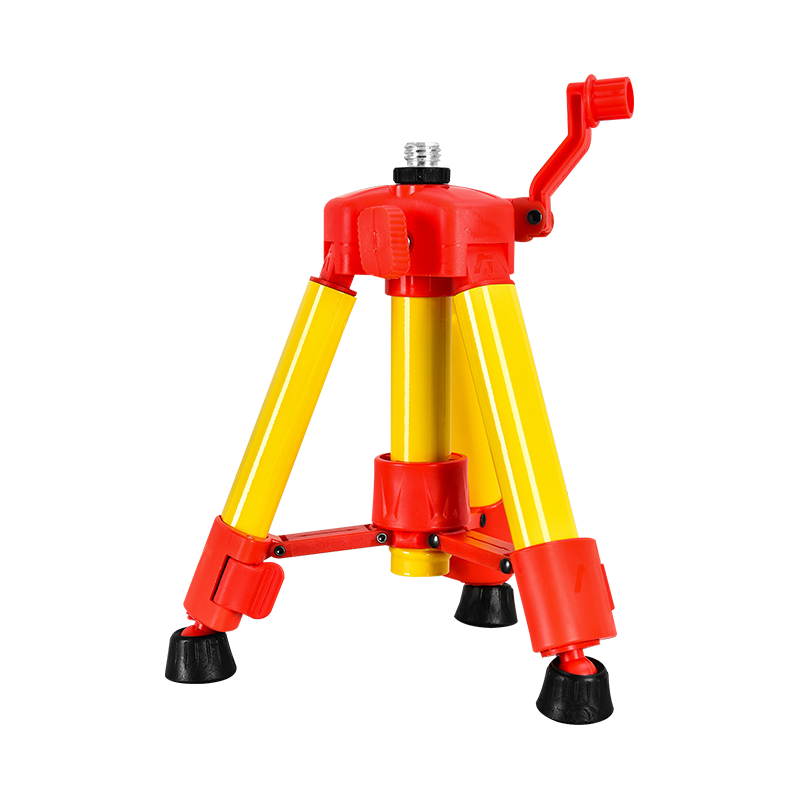
- High-visibility coloration for job site safety and identification
- Universal 5/8"-11 mounting threads compatible with all major laser level brands
- Weather-resistant construction for outdoor operation in various conditions
Contractors report significant improvements in measurement accuracy and setup speed when using dedicated space aluminum tripods compared to makeshift support methods.
Bathroom and Home Organization
The residential market has discovered space aluminum's advantages for bathroom shelving and organizational systems. Wall-mounted tripod-style shelving units leverage the material's:
- Complete rust immunity in high-humidity bathroom environments
- Sleek, modern aesthetic that complements contemporary bathroom design
- Strong yet lightweight construction for easy installation
- Hygienic, easy-to-clean surfaces resistant to mold and mildew growth
These systems provide durable, attractive storage solutions that maintain their appearance through years of exposure to steam, water, and cleaning products.
Additional Applications
The versatility of space aluminum tripods extends to numerous additional fields:
- Astronomy: Stable platforms for telescopes and binoculars
- Surveying: Support for total stations and surveying equipment
- Lighting: Stands for studio and on-location lighting equipment
- Display: Tradeshow and retail product display systems
- Medical: Support for portable diagnostic and monitoring equipment
Comparative Advantages Over Alternative Materials
Versus Steel Tripods
Steel tripods offer high strength but at significant weight penalty. A steel tripod with equivalent load capacity typically weighs 2-3 times more than its space aluminum counterpart. Additionally, steel requires protective coatings to prevent rust, and even minor coating damage can lead to progressive corrosion. Space aluminum eliminates these concerns while maintaining sufficient strength for most applications.
Versus Plastic and Composite Tripods
While plastic and composite tripods offer even lower weight, they cannot match space aluminum's load capacity, temperature stability, or long-term durability. Plastic components can creep under sustained load, become brittle in cold temperatures, and degrade from UV exposure. Space aluminum maintains consistent mechanical properties across a wide temperature range and exhibits excellent UV resistance.
Versus Carbon Fiber Tripods
Carbon fiber tripods offer similar strength-to-weight ratios but at substantially higher cost points. Space aluminum provides 80-90% of carbon fiber's performance advantages at 40-60% of the price point, making it the preferred choice for most professional and consumer applications.
Selection Guidelines and Best Practices
Application-Specific Recommendations
Photography Applications: Prioritize compact folded size, weight under 1.5 kg, and ball head compatibility. Look for quick-release plate systems and rubber feet for indoor use.
Construction Laser Levels: Select tripods with extendable heights matching typical ceiling heights (1.8-3.7 meters), steel spike feet, and bright safety colors. Ensure compatibility with your specific laser level mounting thread.
Bathroom Shelving: Consider wall-mounted configurations with appropriate weight ratings for toiletries and bathroom accessories. Matte or brushed finishes resist water spotting and fingerprints.
Maintenance and Care Recommendations
While space aluminum requires minimal maintenance, following these practices extends service life:
- Clean regularly with mild soap and water to remove construction dust, dirt, or grime
- Lubricate moving parts periodically with silicone-based lubricants
- Inspect locking mechanisms for wear and proper engagement
- Store in dry conditions when not in use, though space aluminum tolerates humidity well
- Avoid harsh chemicals that could damage protective surface coatings
Future Developments and Industry Trends
The space aluminum tripod segment continues to evolve through material and design innovations:
- Integrated smart technology including Bluetooth connectivity and digital level readouts
- Advanced surface treatments offering improved scratch resistance and aesthetic options
- Modular component designs enabling field replacement of worn parts
- Sustainability initiatives increasing recycled content in alloy production
- Ergonomic refinements reducing setup time and user fatigue
As manufacturing techniques improve and material science advances, space aluminum tripods will likely find applications in emerging fields while maintaining their position as the preferred support solution across established industries.