
 English
  中文简体
中文简体  русский
  Español
  Deutsch
  عربى
عربى 
ChiZhen
ChiZhen
ChiZhen
ChiZhen
ChiZhen
ChiZhen
ChiZhen
ChiZhen
ChiZhen
The construction and tiling industry has witnessed significant technological advancements in recent years, with tile leveling machines emerging as a transformative tool for both professional contractors and dedicated DIY enthusiasts. As large-format tiles, porcelain slabs, and intricate stone materials become increasingly popular in residential and commercial projects, the demand for precise, efficient installation methods has grown substantially. Tile leveling technology addresses one of the most persistent challenges in tiling: achieving perfectly flat, evenly aligned surfaces while minimizing lippage—the uneven edges between adjacent tiles that can compromise both aesthetics and safety.
Understanding Tile Leveling Technology
At its core, a tile leveling system operates on the principle of uniform compressive force application. During the mortar curing process, these mechanical aids hold adjacent tiles at consistent heights, preventing movement and ensuring proper alignment. Unlike traditional spacers that only maintain gap width, modern leveling systems actively correct height discrepancies by applying controlled pressure across tile surfaces.
The fundamental workflow typically involves three key phases:
- Base Insertion: Specialized clips or threaded bases are positioned beneath tile joints before tile placement
- Pressure Application: Wedges, caps, or mechanical components apply consistent downward pressure
- Removal: After mortar curing, components are removed, leaving perfectly aligned tile surfaces
Major Tile Leveling System Categories
1. Clip and Wedge Systems
The most widely adopted configuration in the industry, clip and wedge systems offer an effective balance of cost-efficiency and performance. Disposable plastic clips are inserted under tile edges, while reusable wedges are driven into clip slots to create uniform pressure. This design accommodates tile thicknesses ranging from 3mm to 12mm and works effectively for most standard residential and light commercial applications. Field data indicates these systems can reduce height correction time by over 50% compared to manual shimming methods.
2. Stud and Cap (Spin Cap) Systems
Representing a significant advancement in installation speed, spin cap systems eliminate the need for specialized pliers. Threaded bases are pressed into thin-set mortar at tile joints, and caps are rotated by hand until even surface contact is achieved. Professional tiling crews frequently prefer this design for large-scale projects, as it enables faster installation and reduces operator fatigue during extended work sessions.
3. Electric Vibrating Leveling Machines
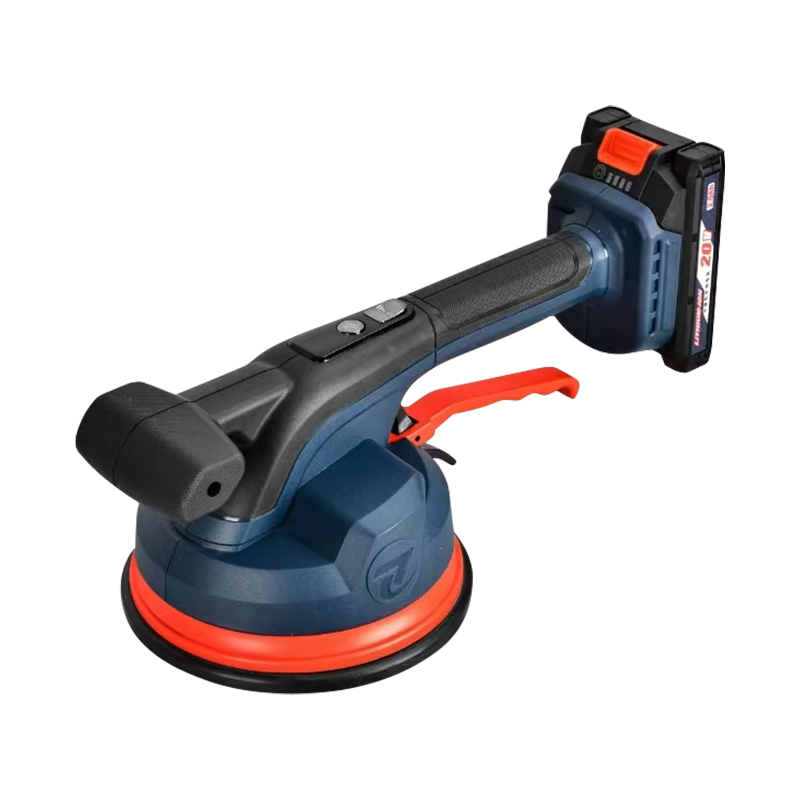
Cordless electric tile leveling machines represent the premium segment of leveling technology. These battery-powered devices combine suction cup adhesion with controlled vibration frequencies to settle tiles uniformly into adhesive beds. Equipped with adjustable vibration settings and ergonomic handles, these machines are particularly effective for large-format tiles (60x120cm and larger) and heavy stone materials. Independent contractor reports document installation time reductions of 60% compared to traditional rubber mallet methods.
Technological Advancements and Industry Trends
Material Science Innovations
Recent developments in polymer engineering have yielded significant improvements in leveling component performance. Manufacturers are developing specialized polymer blends that offer enhanced resistance to chemical degradation from tile cleaning agents while maintaining consistent breaking characteristics. The precision injection molding process now produces components with tolerance margins as narrow as 0.3mm, enabling compatibility with the minimal grout lines favored in contemporary design trends.
Smart Technology Integration
The emerging smart tile leveling system segment incorporates IoT connectivity and edge computing capabilities. These advanced systems provide real-time installation monitoring, automated pressure adjustment based on tile material properties, and project tracking functionality. AI algorithms can even suggest correction parameters based on specific tile expansion coefficients and environmental conditions, representing the next frontier in tiling precision.
Sustainability Developments
Aligning with global construction industry sustainability initiatives, manufacturers are exploring eco-friendly material alternatives. Research initiatives include mycelium-based composite spacers and algae-derived resin components, responding to circular economy directives requiring increased recycled content in construction materials. Reusable component designs have also become standard, reducing construction waste on job sites.
Practical Benefits for Construction Professionals
Enhanced Precision and Quality Control
Tile leveling systems reduce typical installation error margins from ±3mm to ±0.5mm, ensuring consistently flat surfaces across entire projects. This precision is particularly critical for large-format tiles, where even minor height discrepancies become visually prominent and can create trip hazards in high-traffic areas.
Labor Efficiency Improvements
Professional contractors report substantial productivity gains when implementing leveling technology. The parallel workflow capability—installers can prepare multiple clips simultaneously before applying pressure—streamlines the installation process. For commercial projects, this efficiency translates directly to reduced labor costs and faster project completion timelines.
Reduced Physical Strain
Electric leveling machines significantly reduce the repetitive motion and physical exertion associated with traditional mallet-and-block leveling methods. This ergonomic benefit contributes to reduced worker fatigue and fewer workplace injuries over extended project durations.
Material Compatibility
Modern leveling systems accommodate the full spectrum of contemporary tiling materials, including:
- Standard ceramic and porcelain tiles
- Large-format porcelain slabs
- Natural stone materials (marble, granite, travertine)
- Glass and mosaic tile configurations
- Thin porcelain panel installations
Selection Guidelines for Different Project Scenarios
Choosing the appropriate leveling system depends on multiple project factors:
Residential Renovation Projects: Clip and wedge systems offer the optimal combination of affordability and performance for typical bathroom, kitchen, and flooring renovations.
Commercial Flooring Installations: Spin cap systems provide superior speed for large-area commercial projects where installation velocity is a primary consideration.
High-Value Large-Format Projects: Electric vibrating leveling machines deliver the precision required for premium slab installations in luxury residential and hospitality applications.
Outdoor and Wet Area Applications: Systems with enhanced chemical resistance and water-resistant components are recommended for pool decks, bathrooms, and exterior cladding projects.